
The Nature of Luck in Casino Games
Luck plays a pivotal role in casino games, often determining the outcomes of games where chance is the primary factor. Many popular casino games, such as slot machines and roulette, are designed to be wholly reliant on randomness, leaving little room for player influence. These games operate on mathematical principles such as probability and house edge, which ensure that the casino maintains a favorable position over time. Players seeking options with quicker payouts might consider new uk casino fast withdrawal opportunities, as they often find themselves at the mercy of luck when engaging in these games.
However, the randomness of outcomes does not entirely negate the notion of skill. While luck in these games is an undeniable factor, certain strategies can sometimes help players improve their odds. For instance, in games like blackjack, understanding the rules and applying a basic strategy can enhance a player’s chances against the house. This interplay between luck and skill highlights the complex nature of casino gaming, where skill may influence outcomes even in predominantly luck-based environments.
Understanding luck’s role in casino games also requires acknowledging how players perceive success. Many individuals equate winning with being lucky, while others attribute their winning streaks to skillful gameplay. This subjective perspective on luck and skill can lead to cognitive biases, where players may overestimate their abilities or underestimate the role of luck. Such biases contribute to the myth that practice can significantly alter the outcome of games that rely heavily on chance, leading many to navigate the gaming world with skewed expectations.
The Role of Skill in Casino Games
Skill is a crucial factor that can influence outcomes in specific casino games, particularly those that involve strategy, such as poker and blackjack. In these games, players have the ability to make calculated decisions based on their hands, the actions of opponents, and betting patterns. This active participation allows skilled players to sway the odds in their favor through techniques like bluffing, reading opponents, and resource management. Consequently, skilled players can often achieve better results than their less experienced counterparts.
Moreover, certain games require a deep understanding of the rules and probabilities. For instance, in blackjack, making strategic choices such as when to hit or stand can directly impact the game’s outcome. Players who leverage their knowledge of card counting—despite its controversial nature—can further enhance their chances of winning significantly. This demonstrates that while luck might initiate the game, skill can guide players through its intricate challenges, allowing them to make informed choices that can lead to more favorable results.
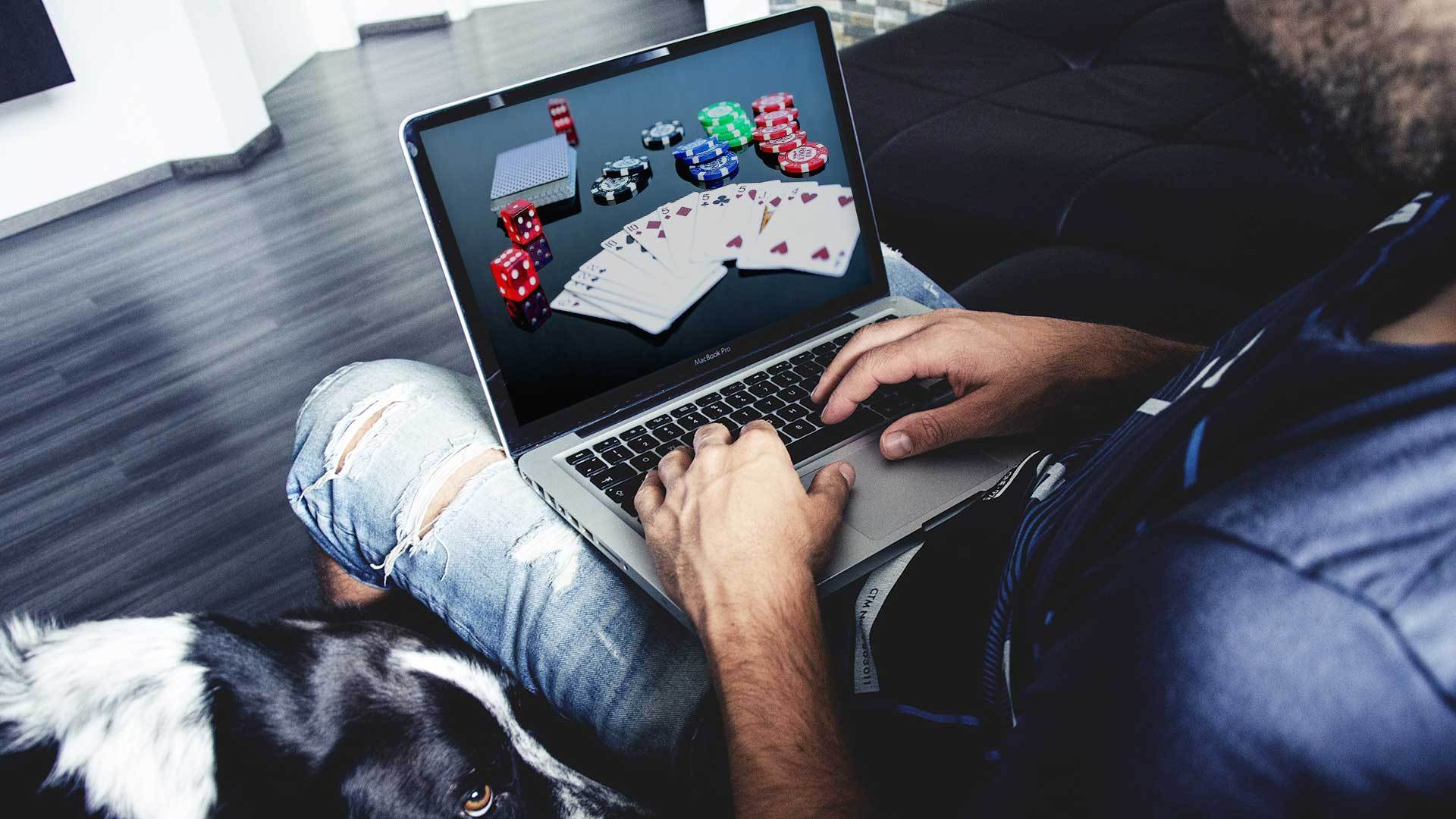
However, it is essential to recognize that not every casino game is conducive to skillful play. Many games are purely based on chance, where skill does not play any role. This distinction helps players understand where they can effectively apply their expertise and where they may need to rely on luck alone. Ultimately, the degree to which skill influences luck varies across different games, shaping players’ experiences in diverse ways and leading to a more nuanced understanding of gaming strategies.
The Psychology of Gambling and Luck
The psychology behind gambling offers intriguing insights into how players view luck and skill. Many gamblers subscribe to the “gambler’s fallacy,” believing that past outcomes can influence future results. For example, a player may think a particular slot machine is “due” for a win after a streak of losses. This misconception can lead individuals to make poor decisions, as they overly rely on luck while dismissing the role of skill and strategy. Understanding these psychology-driven behaviors is crucial for a balanced approach to gaming, enabling players to make more rational choices.
Additionally, the thrill of gambling often comes from the excitement associated with luck. Players are drawn to the unpredictable nature of games, and the hope of hitting the jackpot can create an exhilarating experience. This emotional investment can cloud judgment, making it challenging to distinguish between skillful play and a stroke of luck. Consequently, the psychological aspect of gambling can complicate a player’s ability to understand their impact on game outcomes and encourage reliance on superstitions rather than skill-based strategies.
Moreover, the environment of a casino further intensifies the psychological influences at play. The sights, sounds, and ambiance create a sensory experience that can heighten emotions and spur impulsive decisions. Players often enter a state of euphoria when winning, leading to overconfidence in their skills. Conversely, losing streaks can lead to chasing losses, causing players to neglect rational thinking. In this emotional rollercoaster, luck and skill become intertwined, ultimately affecting a player’s long-term success and overall gaming experience.
Strategies to Improve Your Game
To maximize their chances of success in casino games, players can adopt various strategies that blend skill with an understanding of luck. For instance, in games like poker, learning different playing styles and mastering game theory can significantly elevate a player’s game. Engaging in regular practice, studying opponents, and participating in online forums can develop skills and improve overall performance. However, players must remain conscious of the inherent luck component that exists even in skill-based games, striking a balance between strategy and the unpredictability of chance.

In addition to honing skills, managing one’s bankroll is crucial for sustaining play over time. Successful players often set strict budgets and adhere to them, ensuring they do not fall prey to emotional decision-making during highs and lows. This discipline allows players to engage in the game responsibly, further cementing the idea that while luck plays a role, mindful strategy and skillful management can lead to better outcomes. Such practices not only enhance enjoyment but also improve the likelihood of achieving favorable results.
Furthermore, seeking continuous education about different games and strategies is vital. Resources such as books, online courses, and expert advice can help players stay informed about the latest strategies and trends. Many casinos also offer gaming tutorials for newcomers, which can equip them with the foundational knowledge needed to navigate games effectively. By integrating skill development into their gaming routine, players can influence their chances of success while remaining cognizant of the luck factor involved in their gameplay.
Conclusion: The Balance Between Skill and Luck
In the world of casino games, luck and skill coalesce to shape the gaming experience. While luck remains an undeniable force in many games, the influence of skill is particularly pronounced in strategy-oriented games. Understanding the balance between these two elements is integral to approaching casino games with the right mindset. Players can enhance their experiences by leveraging skill while embracing the unpredictability of luck, leading to a more fulfilling engagement with the games they enjoy.
Ultimately, successful players acknowledge that while skill can influence outcomes, they must also accept the role of fortune in their gaming journey. This awareness not only cultivates a more fulfilling experience but can also lead to greater satisfaction, regardless of wins or losses. As players navigate the thrilling landscape of casinos, finding this balance between skill and luck can pave the way for more enjoyable and potentially rewarding engagements, allowing them to approach each game with both excitement and strategy.
For anyone looking to deepen their understanding of this fascinating interplay between luck and skill, exploring various resources and engaging with communities can provide valuable insights. By continuing to educate themselves and applying what they learn, players can enjoy a richer and more informed experience in the dynamic world of casino gaming, where both luck and skill play crucial roles in shaping their fortunes.